Subteams
Click to learn more about each of our seven technical subteams.
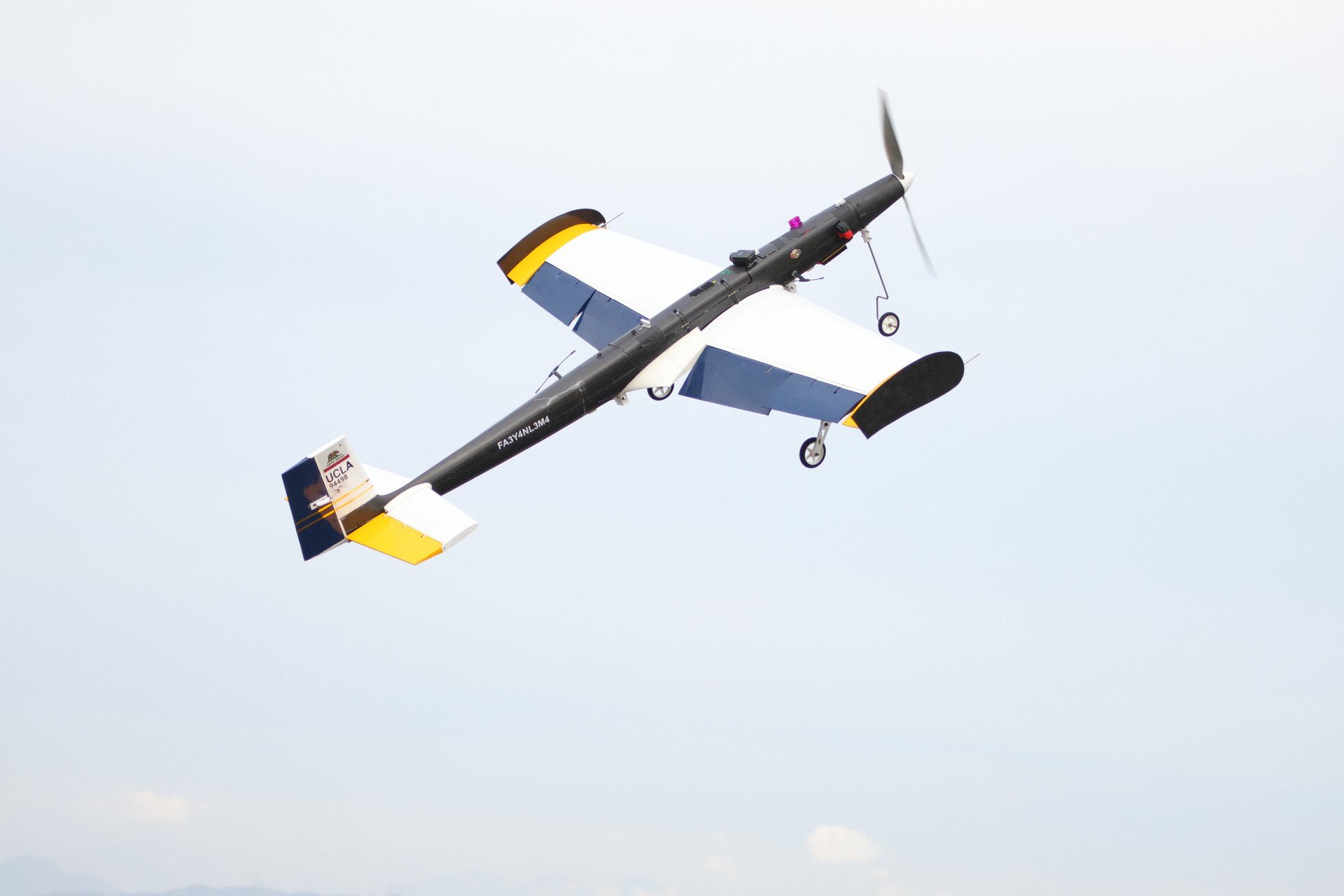
Aerodynamics
The Aerodynamics subteam is responsible for determining the configuration and dimensions of the aircraft required to best perform the competition missions and to maintain controlled flight. This includes a scoring analysis of the competition rules, sizing and stability calculations, airfoil selection, computational fluid dynamics (CFD) simulations, and wind tunnel tests.
If you are interested in understanding the forces behind flight as well as the specific designs that are most efficient when optimizing for certain features, aerodynamics is for you! If you want to learn to code in MATLAB, Python, or C++, run performance analysis tests, and make fancy plots, then you should join Aerodynamics.
Scoring Analysis
Sizing and Stability Calculations
Subteam members determine the configuration and dimensions of the aircraft to ensure that the plane will be capable of flight, easy to control, and able to accomplish all of the required missions. Based on calculations derived from basic aerodynamics principles, an optimized code is written to efficiently determine the best sizing configuration.
Scripts are used to analyze the scoring of each mission, as laid out in the competition rules, in order to determine which missions are the most critical and which aspects of the design should be focused on to maximize the overall competition score.
Airfoil Selection
The Aerodynamics subteam selects the cross-sectional profiles of the wing and other aerodynamic elements, using data and plots to determine which shape will be the most effective and scripts for optimization.
CFD and Wind Tunnel
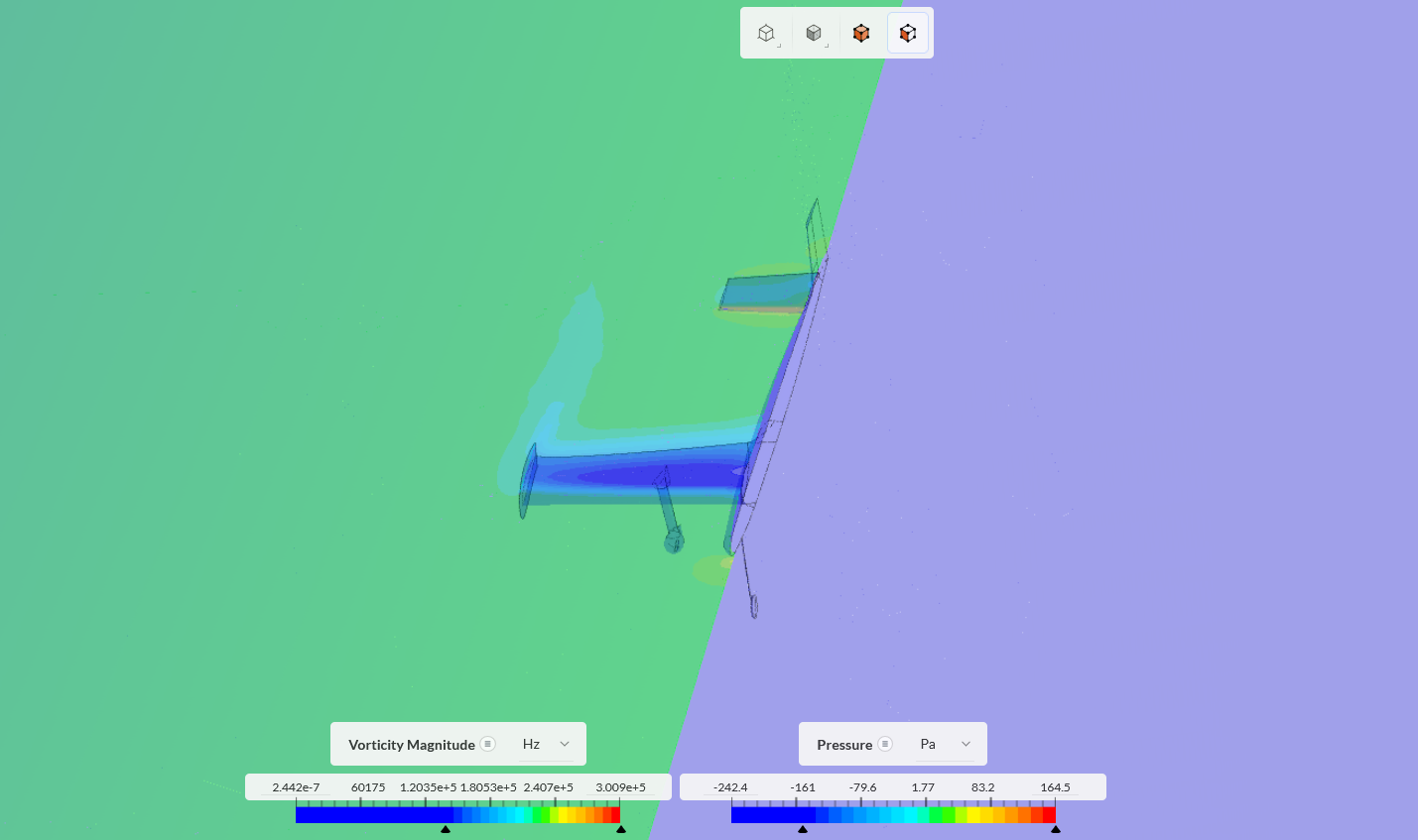
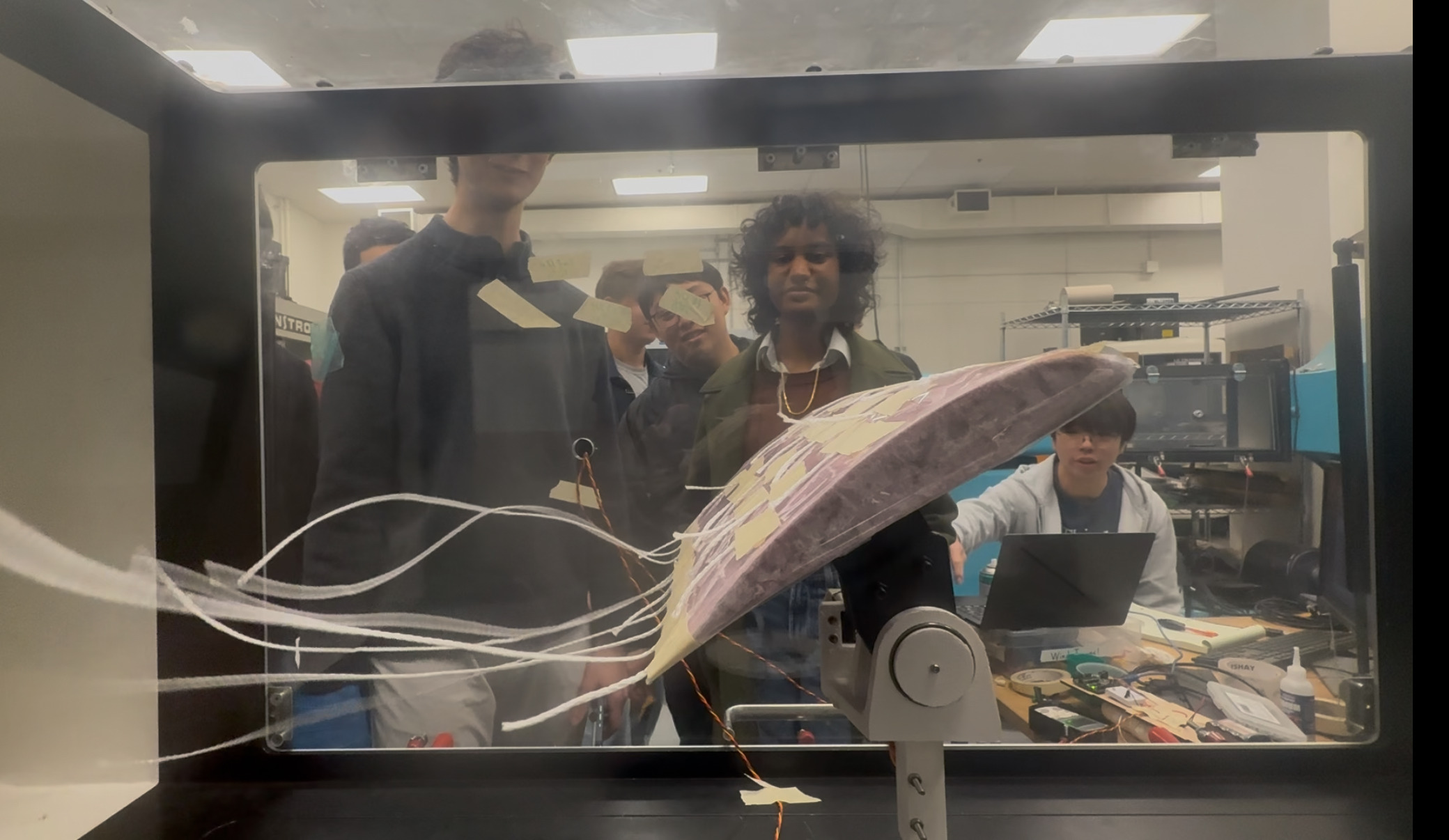
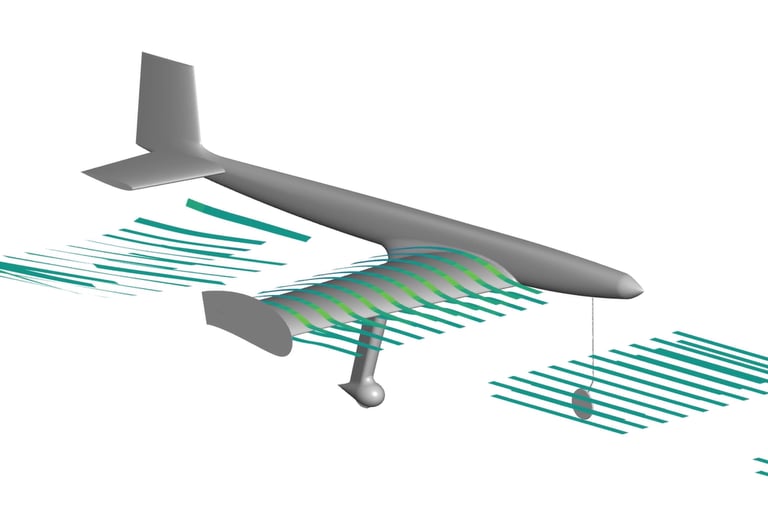
CFD software is used to model how the aircraft will behave in flight, how much force is generated by each surface, and how efficiently the plane flies. The results of these simulations are used to improve the design and to provide data to other subteams. The CFD simulations are also validated using data collected by testing components in the UCLA wind tunnel, which gives us better insight into how our designs will behave in the real world.
CAD
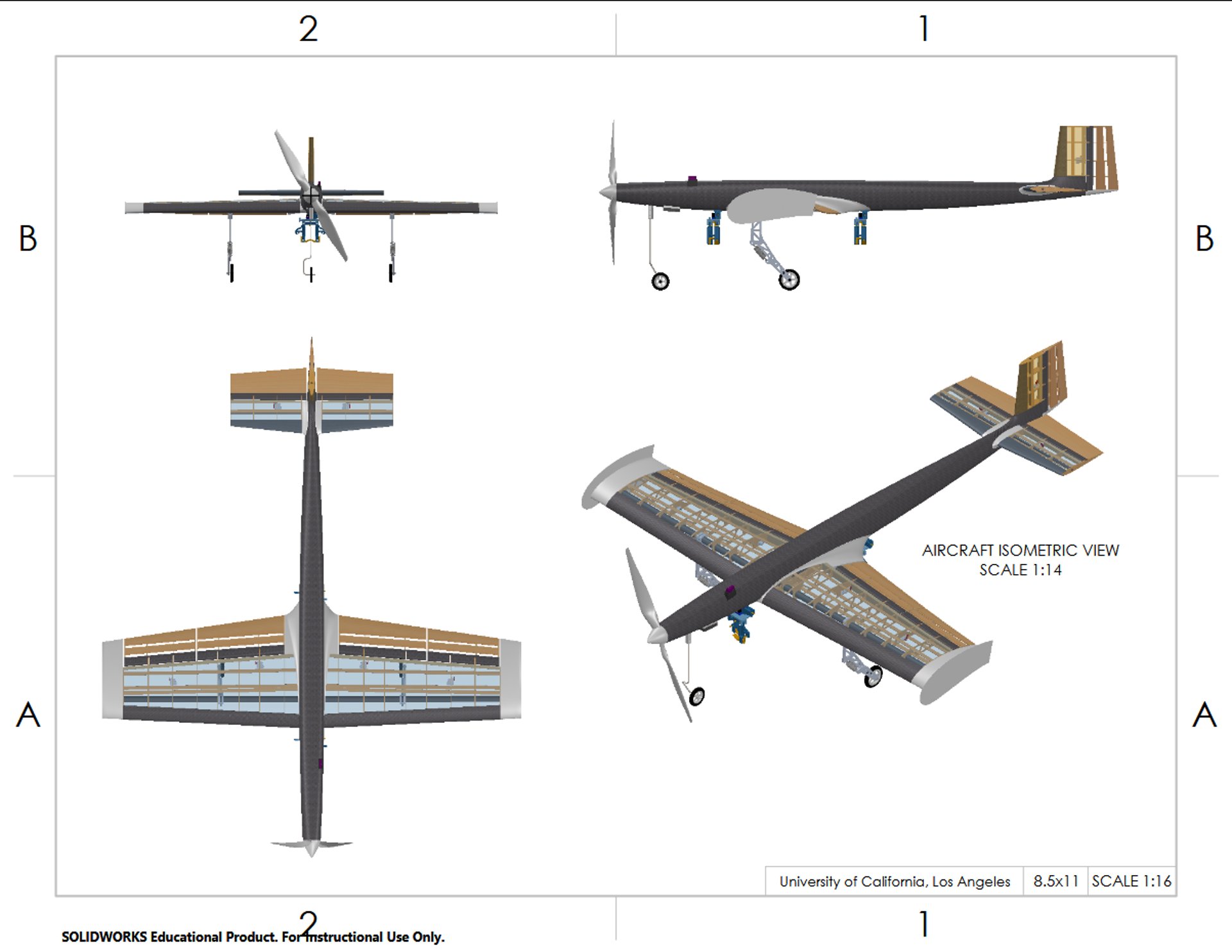
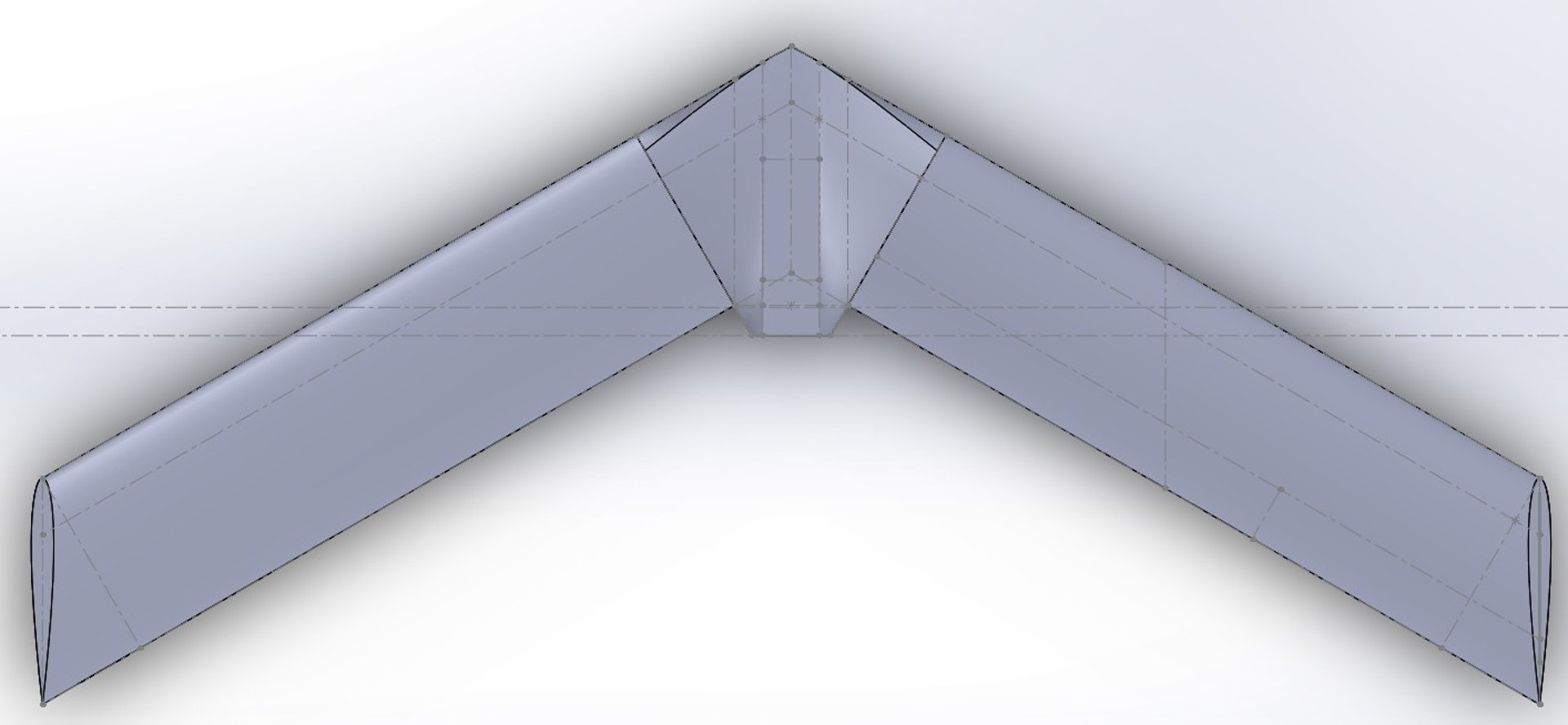
The CAD subteam builds a 3D model for the plane based off of the sizing from the aerodynamics subteam using Solidworks, which is then referenced during manufacturing. Additionally, CAD is responsible for designing and constructing new, unique parts on a case-by-case basis for manufacturing. This is an exciting way to see your work on display on the final competition plane!
If you love to work independently, thinking of new and innovative solutions to never-before encountered problems, then the CAD subteam is perfect for you! You will be able to contribute directly to the creation of the competition plane and aid Manufacturing in quickly producing new mechanisms.
Plane Development

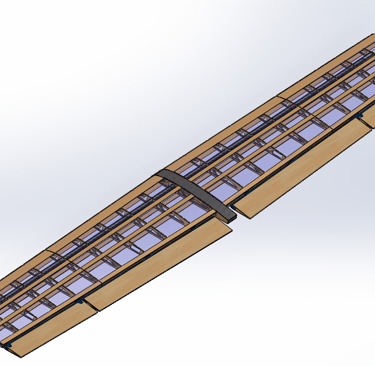


The CAD design provides a preview of the plane before it is built. The team transforms conceptual designs into detailed plans, utilizing both technical knowledge and innovative thinking. The design is used to create jigs and molds for the creation of parts, as well as for some parts to be 3D-printed from the design directly.

Flight Testing
The Flight Testing subteam is a brand new subteam this year focused on testing the aircraft and its various components. They work closely with many of the other subteams including Aerodynamics, Propulsion and Electronics, and Structures to plan necessary tests to gather data and validate design choices. These usually include structural tests, static and dynamic thrust tests, wind tunnel tests, and planning out fly days!
If you like getting hands on and pushing things to their limits, you'll definitely enjoy working on the Flight Testing subteam!
Structural Testing


Structural tests mainly involve destructive tests - literally testing the breaking points of various parts of the plane! This helps us collect information about the ideal materials and construction methods to use on our planes.
Thrust Testing
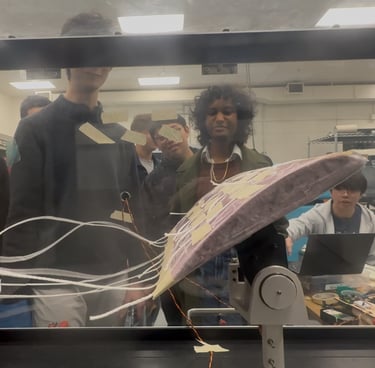
Wind Tunnel Testing
Thrust tests involve working with the Propulsion and Electronics subteam to gather data on the propulsion systems. The introduction of the Flight Testing subteam allows us to start conducting dynamic thrust tests to gain more accurate information, which is important for maximizing the plane's performance!
Wind Tunnel tests are conducted in collaboration with the Aerodynamics subteam in order to gather data about the aerodynamic properties of our planes. We use wind tunnel tests to validate simulations and observe the real-life behavior of different components of our planes.

Manufacturing
The Manufacturing team is responsible for constructing the plane. This includes wet carbon fiber layups, 3D printed frameworks, laser-cut balsa, and innovative designs that are catered specifically to our plane.
Manufacturing involves hands-on work, thinking outside the box, and (sometimes) last minute fixes and repairs. If you're interested by the idea of physically constructing our competition plane, then this subteam is definitely for you!

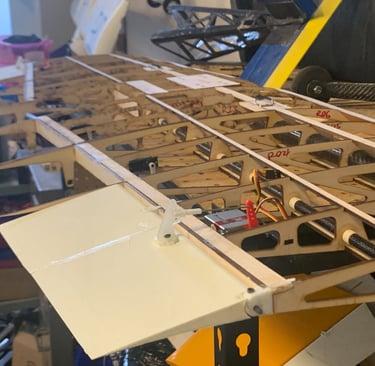


The Manufacturing team is responsible for constructing the plane. This includes wet carbon fiber layups, 3D printed frameworks, laser-cut balsa, and innovative designs that are catered specifically to our plane.
Manufacturing involves hands-on work, thinking outside the box, and (sometimes) last minute fixes and repairs. If you're interested by the idea of physically constructing our competition plane, then this subteam is definitely for you!
Manufacturing
Fly Day Responsibilities
On Fly Days, it is essential that the manufacturing subteam ensures that the plane is ready to fly; some responsibilities include assembling the modular components, connecting wiring, and covering all hatches securely. Packing lists also need to be written and followed so that we have all necessary tools and equipment to repair the plane at the airfield if necessary.


Propulsion & Electronics
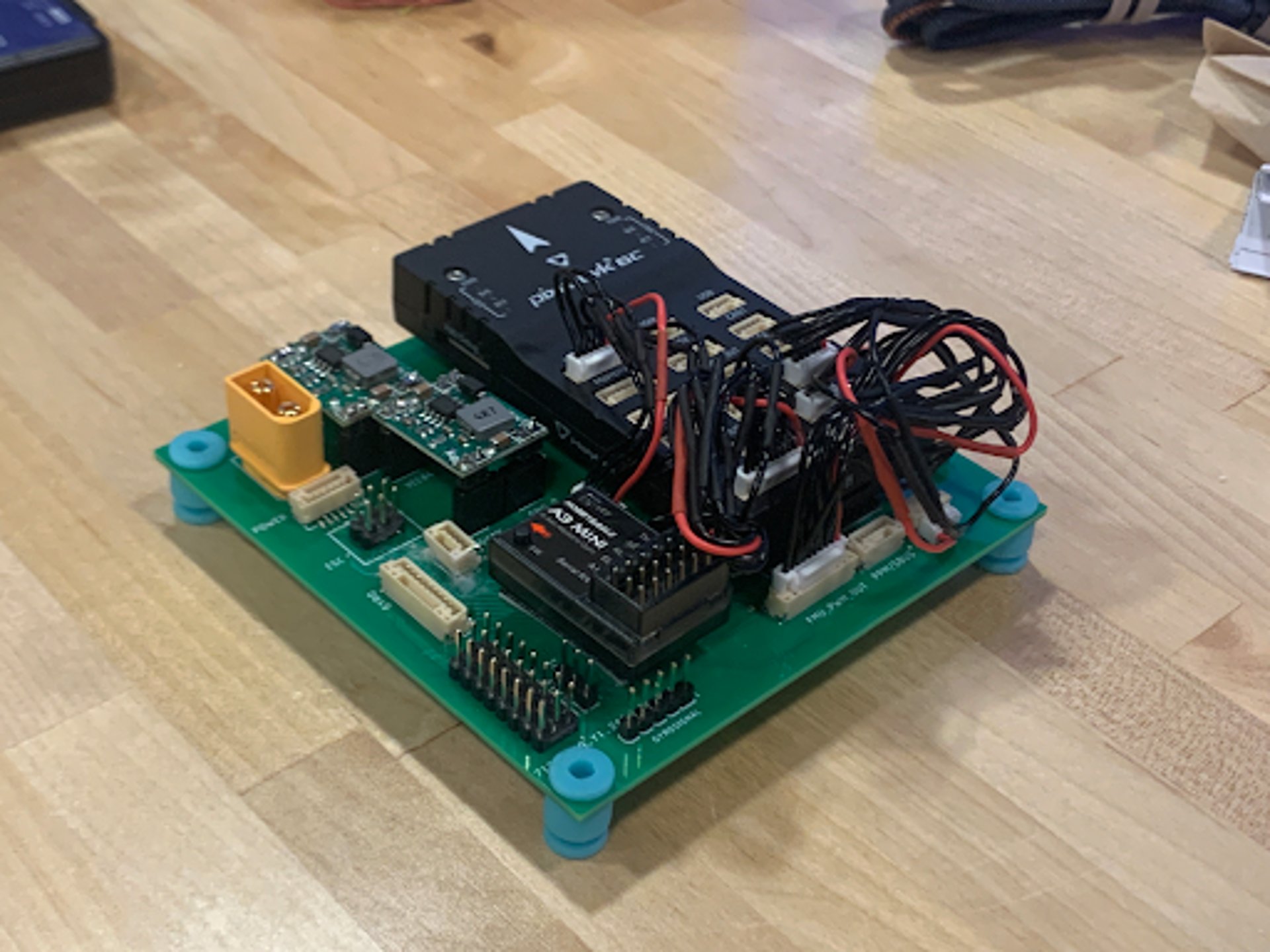
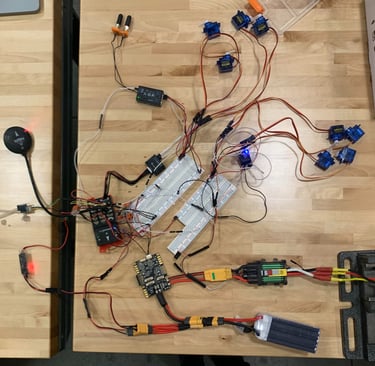
The Propulsion & Electronics team is responsible for selecting and testing the electric propulsion system components for the aircraft. They also set up any other electronics for the aircraft, such as servo actuators and the receiver/transmitter.
Working on this subteam involves using multiple coding languages such as C++, MATLAB, and Lua, as well as design softwares such as Altium. If learning any of these skills, getting hands on with wiring and other electronic components, or even learning more about thrust and powering the plane interests you, this might be the subteam for you!
Pre-Flight Responsibilities
Before flight, the propulsions and electronics team selects the appropriate propeller and tests the response of the servos that power the control surfaces (flaps, ailerons, elevator and rudder) and other mechanisms, such as our banner deployment mechanism last year.
Testing Methods
We rely on a mixture of theoretical and practical methods to test the propulsion systems, including working with the Flight Testing subteam on static and dynamic thrust testing setups.
Research & Development
The R&D team works to expand our base of knowledge, looking into new plane designs, analysis methods, and materials and manufacturing processes to support current and future projects. In addition, R&D also works on mission-specific requirements, such as the banner release mechanism and the passenger/cargo storage mechanisms used in competition last year. This work ensures that we continue to produce planes to the best of our abilities as the team evolves and matures.
If you enjoy researching and pushing the limits of what is possible, then you definitely belong on R&D! You will have the opportunity to be funded and lead a group in researching your innovative idea, and you will have a great time contributing to DBF!




Structures
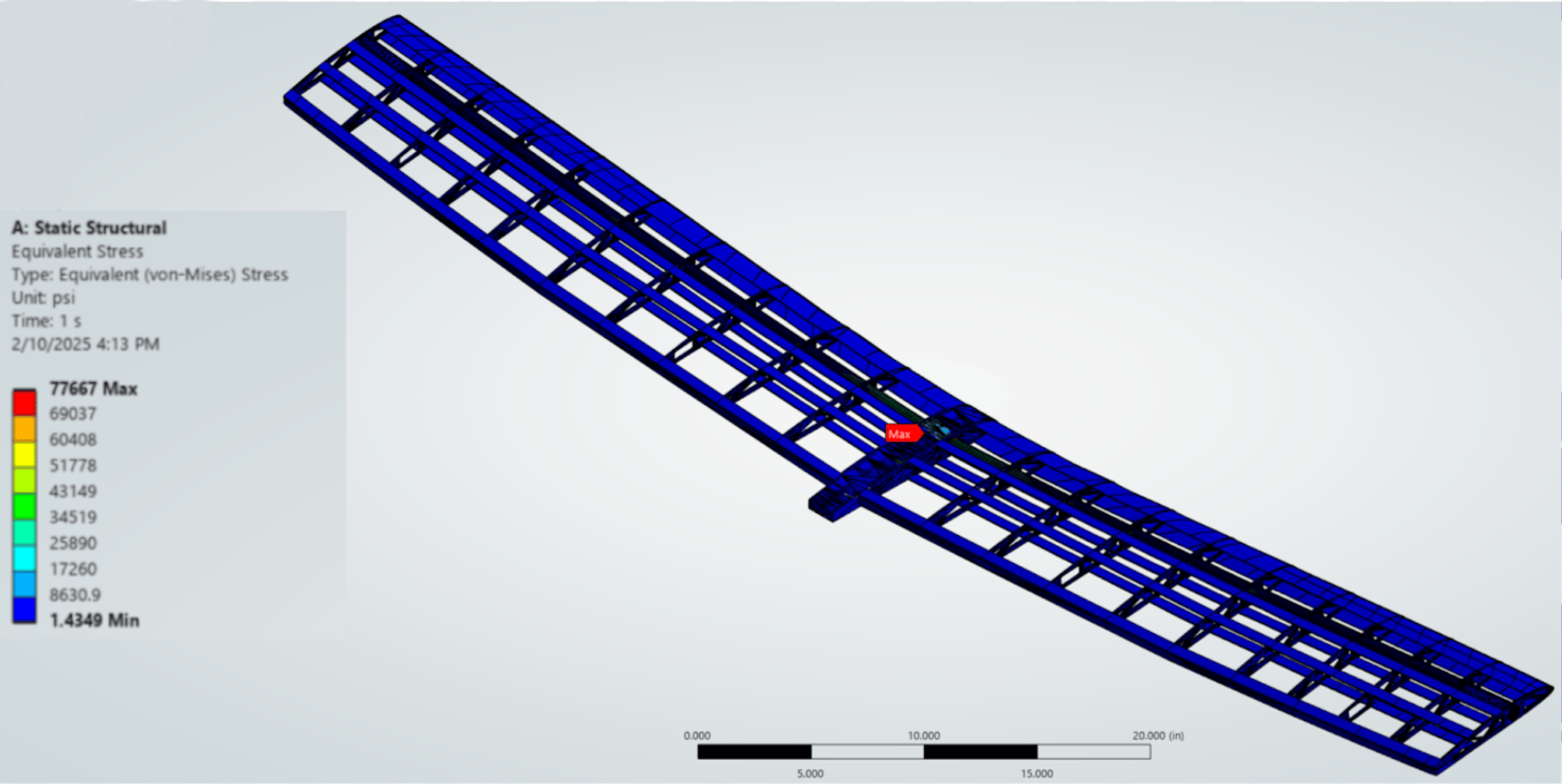
The Structures subteam is responsible for analyzing the plane structures to ensure that they can support the required loads. They use both theoretical and practical methods to test the plane's durability under extreme circumstances. This includes working with various software programs as well as conducting structural tests in collaboration with the Flight Testing subteam.
Areas of focus in the Structures subteam include spar sizing, lightening hole placement, generative design, and material selection. If you are curious about how our designs hold up under stress, Structures could be for you!
Key Tools
The team works with Finite Element Analysis (FEA) tools in Ansys to ensure that expected loads will not cause excessive deformation or stresses. Generative design will also be utilized this year to optimize a lighter plane and remove weight wherever it is not necessary for structure.